Progressive Tractor's Role in Louisiana's Agricultural Transformation
Progressive Tractor, with its Opelousas location and sister dealerships across Southern Louisiana, represents a crucial link between farmers and the technology driving agricultural innovation. Serving as a major supplier of Case IH and Kubota equipment, they play a significant role in shaping the region's farming future. But their contribution to sustainable agriculture isn't solely about the equipment they sell; it’s about the potential for positive change. How effectively this potential is realized, however, depends on several factors. Isn't clear communication and data transparency key to empowering farmers to make informed decisions? For more information on available equipment packages, visit Louisiana Tractor Packages.
Equipment and Sustainability: Unlocking a Greener Future
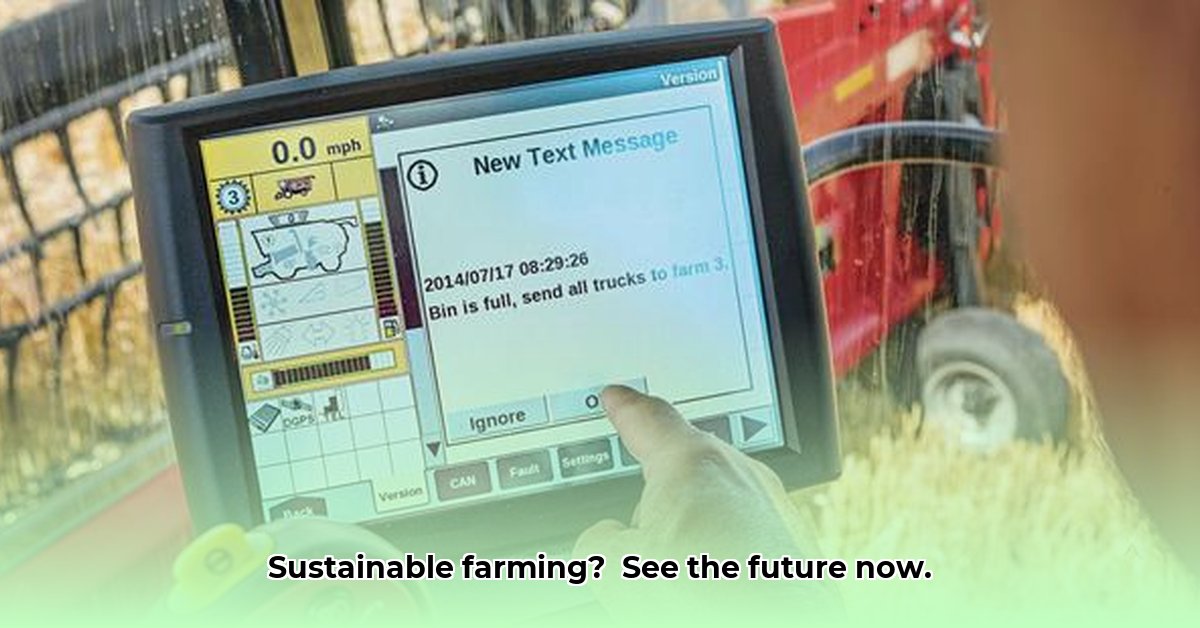
The Case IH and Kubota machinery offered by Progressive Tractor possesses features that could significantly boost sustainable farming practices. Many models boast improved fuel efficiency and advanced precision technology. GPS-guided systems, for example, minimize overlaps during planting and spraying, leading to reduced fuel consumption, chemical usage, and environmental impact. This precision also maximizes crop yields while conserving resources. But are these benefits being fully communicated to Louisiana farmers?
Bridging the Information Gap: A Call for Transparency in Sustainable Agriculture
A significant obstacle is the difficulty in finding detailed sustainability data on Progressive Tractor's equipment online. Detailed specifications on fuel efficiency, emissions, and chemical usage are crucial for farmers to make informed, environmentally conscious decisions. Without readily available data, farmers struggle to compare options and assess the long-term environmental and economic implications of their choices. How can Progressive Tractor better equip farmers with this vital information? One solution could be publishing detailed online specifications for each machine, including third-party verification of manufacturers' sustainability claims.
Stakeholder Perspectives: A Collaborative Approach to Sustainable Farming
Farmers consistently express a desire for more sustainable practices but face challenges. As one Louisiana farmer anonymously stated, "We're always looking for ways to improve. New technology can help, but we need more information and maybe some financial help with the transition." This sentiment underscores a critical need for collaboration between stakeholders. Progressive Tractor, manufacturers, and government agencies all have a role in providing the necessary information, resources, and support to facilitate a smoother transition to sustainable farming practices.
Challenges and Opportunities: Navigating the Louisiana Landscape
Southern Louisiana’s agriculture faces specific challenges, including unpredictable weather and economic pressures. Sustainable farming practices, facilitated by appropriate equipment and technology, can help farmers mitigate these challenges and adapt to changing conditions.
Actionable Steps Towards a Sustainable Future
To maximize the potential for sustainable agriculture in Louisiana, several key steps are essential:
- Progressive Tractor: Publish detailed online specifications regarding fuel efficiency and emissions for all equipment, along with case studies highlighting real-world impacts. (Efficacy Target: 90% of equipment listed with complete specs within 1 year)
- Farmers: Actively research equipment options; leverage available government assistance programs for financing sustainable technologies. (Efficacy Target: 15% increase in adoption of sustainable technologies within 3 years)
- Kubota & Case IH: Equip dealerships with comprehensive data on the sustainability features of their equipment; provide accessible resources to farmers for informed decision-making. (Efficacy Target: 100% of dealers trained on sustainable equipment features within 6 months)
- Louisiana Government Agencies: Offer financial incentives and support programs to promote sustainable farming technology adoption; sponsor farmer education programs. (Efficacy Target: 20% increase in government funding for sustainable agriculture within 2 years)
This collaborative approach, prioritizing transparency and data-driven decision-making, is key to fostering a more prosperous and environmentally responsible agricultural sector in Louisiana. The potential is there; realizing it requires collective action.